Under the Desk and Over the Shoulder: UK Workplace Monitoring in 2026
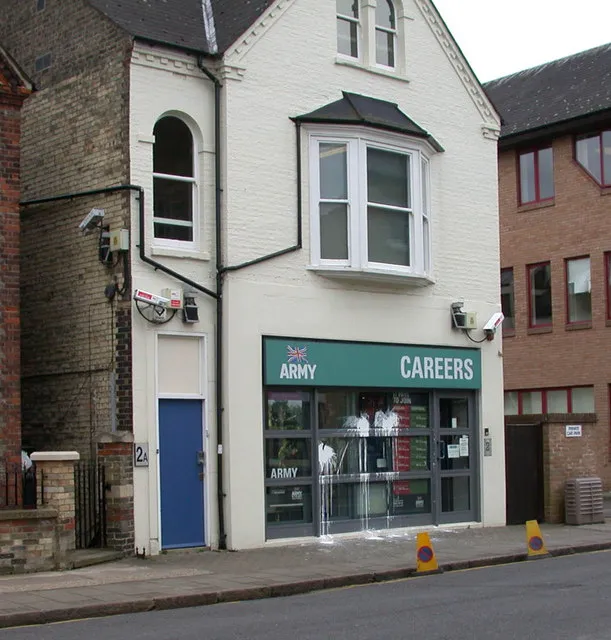
Photo: Keith Edkins, CC BY-SA 2.0, via Wikimedia Commons
Workplace monitoring is not new, but its reach is. In 2026, a typical UK employer can combine CCTV, screen capture, keystroke logging, email scanning, location tracking and productivity scoring into a single management picture. Some of this is lawful and proportionate. Some of it is not. The difference usually lies in purpose, transparency, necessity and whether the worker has a realistic say.
This field guide is for employees and contractors who want to test whether monitoring is justified, gather evidence and raise concerns without immediately escalating into a formal dispute.
What monitoring looks like in 2026
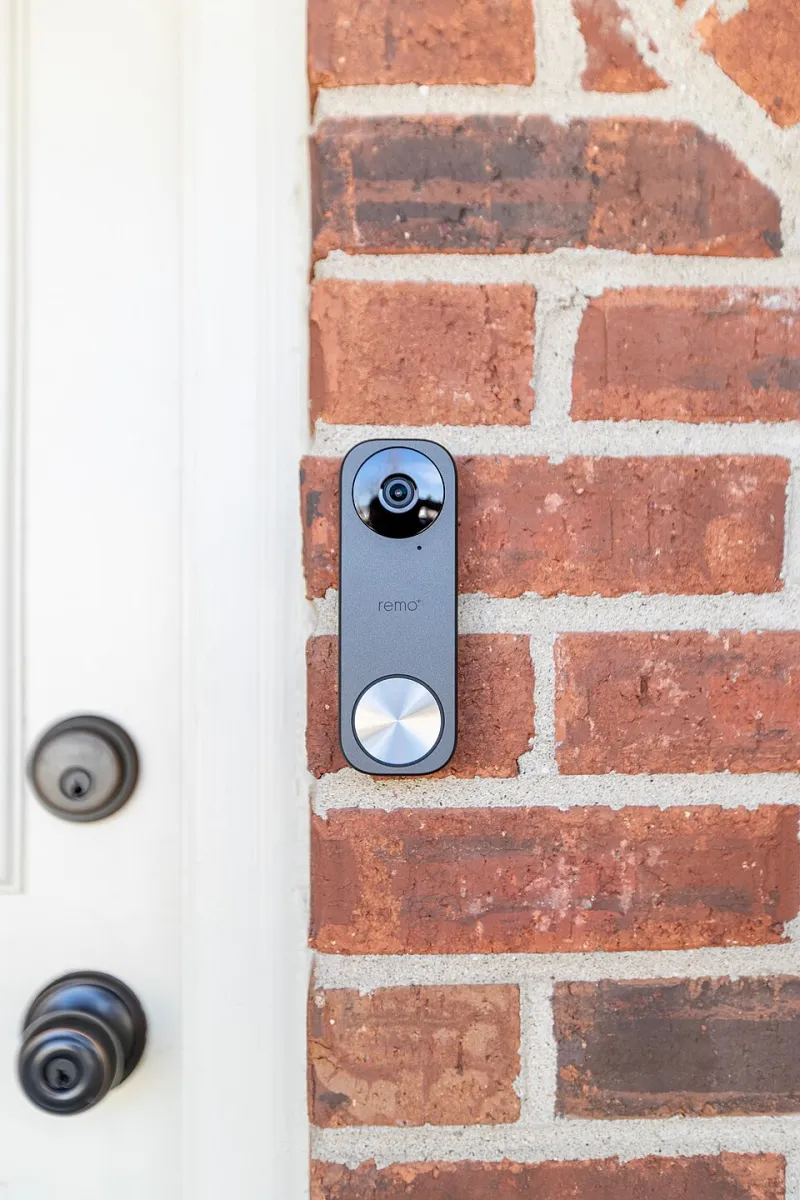
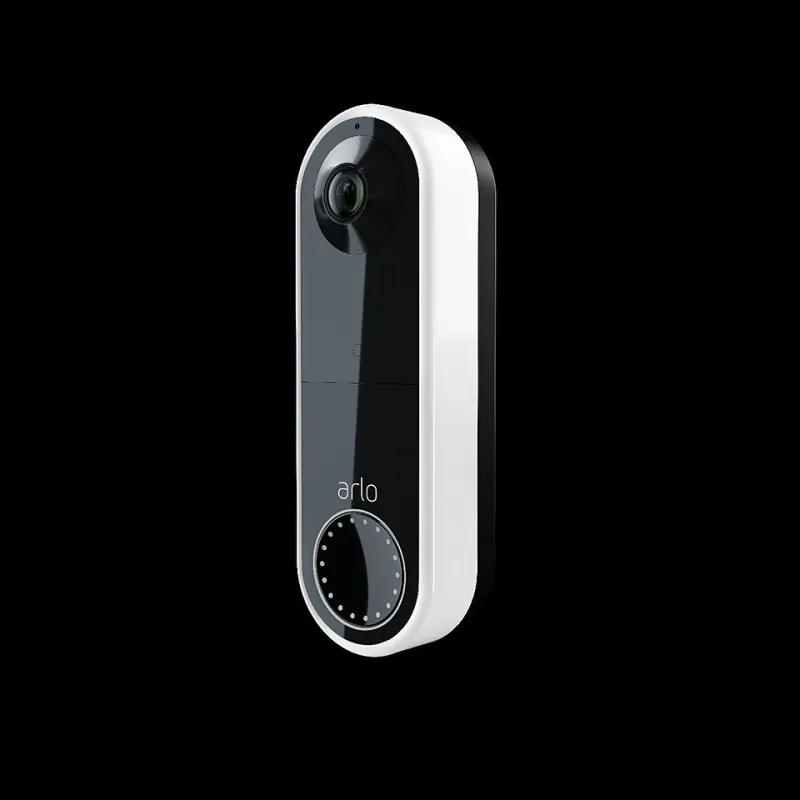
Some tools are visible: cameras in a warehouse, body-worn cameras on security staff, biometric clocks at a site entrance. Others are quiet: software that logs keystrokes, captures screenshots, ranks workers by idle time or scans messages for keywords. Company vehicles may carry GPS trackers. Home-working laptops may run monitoring agents. Retail and call-centre staff may be scored on handle times, breaks and script adherence.
Not every tool is sinister. An employer may have genuine reasons to protect stock, investigate theft, manage a dispersed workforce or meet health and safety duties. The question is whether the specific monitoring is necessary for that purpose and whether a less intrusive option would work.
The legal boundaries in plain English
UK GDPR and the Data Protection Act 2018 require employers to have a lawful basis for monitoring, to use personal data fairly and transparently, and to keep only what is necessary. Monitoring should be proportionate: the benefit to the employer should outweigh the intrusion into workers' privacy. High-risk monitoring usually requires a data protection impact assessment.
Employment law adds a duty of mutual trust and confidence and a general expectation of fair treatment. The Information Commissioner's Office has published employment practices guidance that employers are expected to follow. Consent is rarely a reliable basis for monitoring in an employment relationship because workers may feel they cannot refuse. Biometric data used to identify a person is special category data, so employers need a specific condition and should offer a non-biometric alternative where practicable.
Covert monitoring is sometimes justified in exceptional cases, such as suspected criminality, but it should be targeted, time-limited and authorised at a senior level. It is not a substitute for ordinary management.
Spotting overreach
Red flags include cameras in toilets, changing rooms or private rest areas; hidden monitoring that is never disclosed; continuous keystroke logging with no stated purpose; productivity scores used without human review; biometric clocks with no alternative for workers who object; monitoring outside working hours; and surveillance of personal devices or personal accounts.
These are indicators, not automatic proof of illegality. A camera in a staffroom may be justified for security; a camera in a changing area is far harder to defend. A productivity score may be a useful management tool; a score used to discipline someone without context may be unfair.
First steps: gather facts, not fury
Read your contract, staff handbook and privacy notice. Ask for the employer's monitoring policy and, where relevant, a summary of any impact assessment. Keep a dated record of what you have observed: the tool, the time, the location, who was present and what effect it had. If you need the underlying data, submit a subject access request. If you are a union member, speak to your representative early. They can often raise a question without your name being attached to it.
Raising concerns without escalating
Start with a factual question to your line manager or HR. Ask what the monitoring is for, what data it collects, how long it is kept, who can see it and whether any decisions are made automatically or without human review. Propose a less intrusive alternative if one exists. For example, ask whether spot checks or aggregated reporting would meet the same need as continuous screen capture.
If the response is inadequate, use the employer's grievance procedure. If the monitoring appears unlawful or the employer refuses to explain it, you can complain to the ICO. Keep the tone professional. A written request for information is harder to dismiss than a general objection.
Negotiating a fairer monitoring policy
A fair policy should state its purpose, limit collection to what is necessary, set retention periods, restrict access to named roles, require human review before disciplinary decisions, and include a review date. It should also explain how workers can challenge inaccurate records. Where monitoring is proposed, ask for consultation rather than announcement. Collective voice through a union or staff forum is often more effective than individual objections.
Documenting problems: a field template
- Date and time of the monitoring or incident.
- The tool or camera involved and where it was located.
- What you were told, and by whom.
- What data appeared to be collected or used.
- Any impact on your work, health or privacy.
- Any request you made for the policy or your data.
- The employer's response and the date it arrived.
Store records securely and in line with your employer's policies. Keep your language factual. The strongest case is usually a clear timeline, a specific legal concern and a reasonable proposed remedy.