Renting Under Observation: A Tenant's Practical Guide to Landlord Cameras
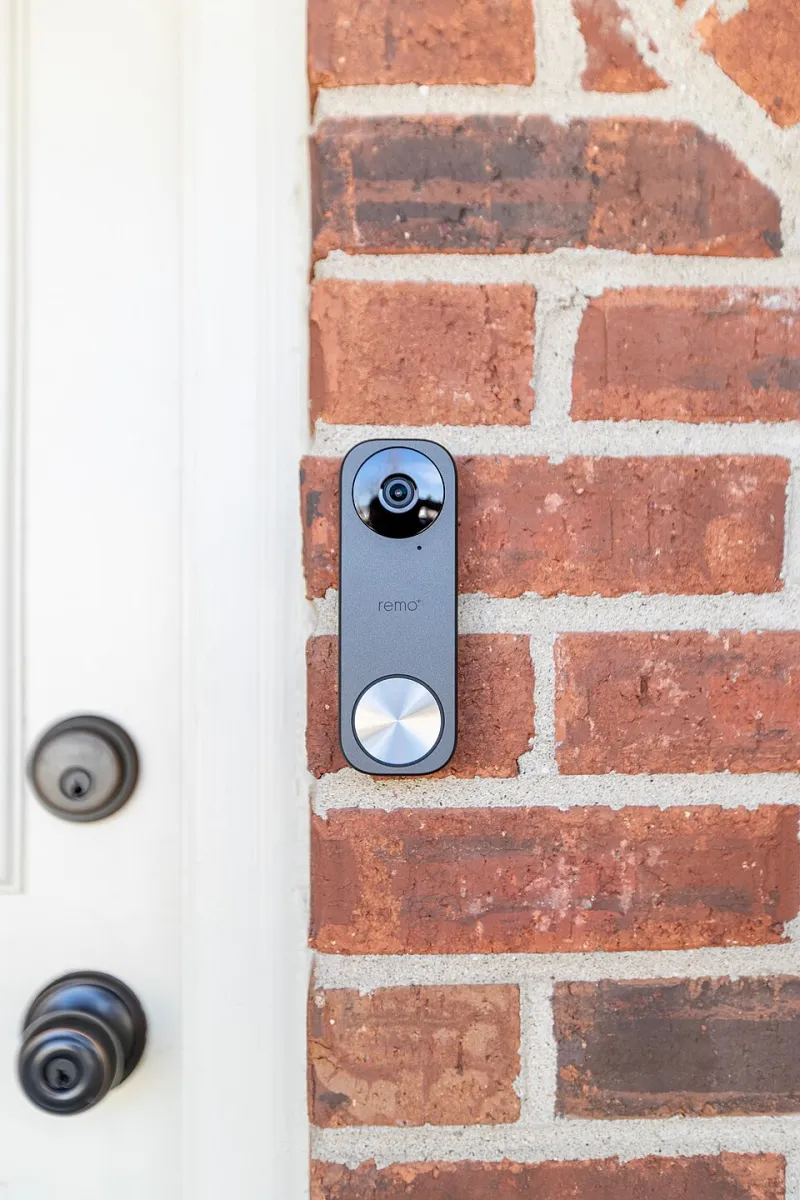
Photo: C05731, CC BY-SA 4.0, via Wikimedia Commons
Moving into a rented flat should involve keys, an inventory and a meter reading. Increasingly it also involves a camera above the communal door, a smart lock that logs every entry, and a letting agent who cannot say who watches the footage or how long it is kept. Surveillance has become part of the property, and tenants are frequently the last to know.
The law here is not especially complicated, but it is often poorly applied. What follows is a practical map for tenants who want clarity without confrontation.
What is actually in the building
Landlord-installed monitoring rarely arrives as a single obvious camera. It tends to accumulate:
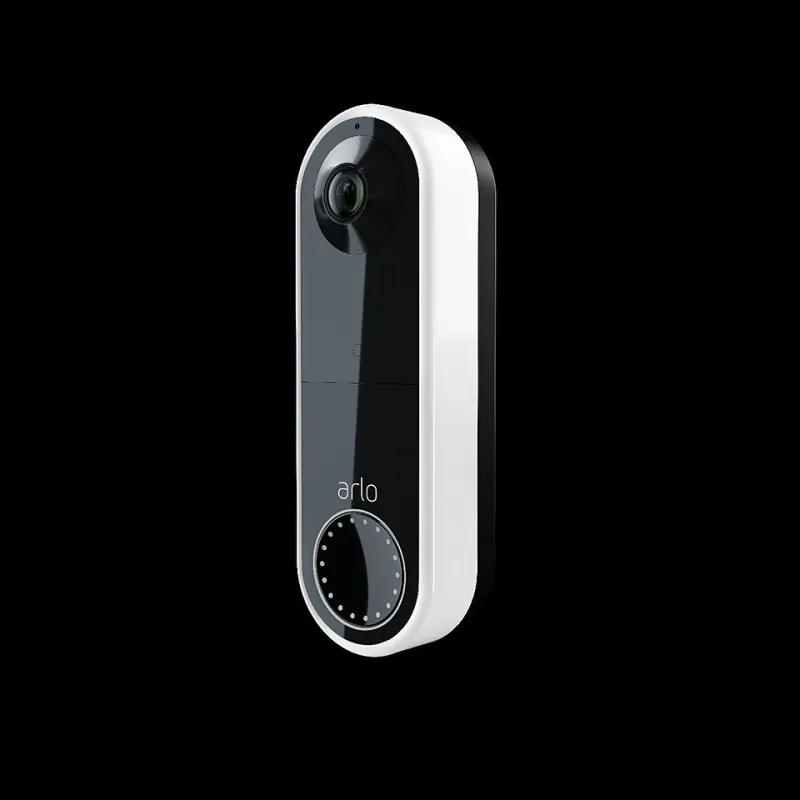
- Video doorbells covering shared entrances, front gardens or the approach to individual flats.
- Communal CCTV in hallways, stairwells, bin stores, bike sheds and car parks.
- Smart locks and keyless entry systems that record who opened which door and when, sometimes with a photograph.
- Sensors for motion, door contact, water leaks or noise, the last of which has become a favoured tool in disputes about parties and complaints.
- Cameras installed inside a property between tenancies, which may be left behind or, in the worst cases, left running.
Each of these generates personal data about tenants, their visitors and, in shared buildings, their neighbours. That has consequences for whoever operates it.
Your landlord is a data controller, not a householder
This is the crucial point, and it is widely misunderstood. The household exemption in UK data protection law covers personal and domestic activity. Renting out property is a business, so a landlord or letting agent operating cameras is a data controller under the UK GDPR and the Data Protection Act 2018, with the obligations that follow.
In practical terms, that means:
- Transparency. Tenants should be told what is recorded, why, who can view it and how long it is kept. Privacy information should be given before or at the point of collection, not discovered later.
- A lawful basis. Most landlords will rely on legitimate interests, which requires a genuine purpose such as protecting the building from theft or vandalism, and a balancing exercise that takes tenants' reasonable expectations into account.
- Minimisation and purpose limitation. A camera covering a communal hallway is defensible. One angled at a tenant's front door, living room window or balcony is much harder to justify.
- A documented assessment. Systematic monitoring of a building calls for a data protection impact assessment, particularly where smart locks or sensors generate continuous logs.
- Retention and access rules. Footage should be deleted on a defined schedule, and viewing should be restricted to named people.
Alongside data protection sits the older, plainer principle of quiet enjoyment: the implied covenant that a tenant may live in the property without unjustified interference. Persistent or intrusive monitoring can sit awkwardly with that obligation, and in extreme cases may raise issues under the Protection from Harassment Act 1997. Recording in private spaces such as bedrooms or bathrooms is a separate and far more serious matter, potentially engaging the voyeurism offences in the Sexual Offences Act 2003.
Questions you can reasonably put in writing
Tenants often hesitate to ask, fearing it will mark them as difficult. It will not. A short, courteous email to the landlord or agent is the right first step, and it creates a record. Useful questions include:
- Is there any camera, sensor or smart lock on or in the property and in the shared areas serving it?
- What is each device for, and what exactly does it capture? Is audio recorded?
- Who can access the footage or logs, including contractors and letting agents?
- How long is data kept, and where is it stored, including any cloud service?
- Is there a written policy or privacy notice for the building?
- How does a tenant make a subject access request or ask for a clip to be deleted?
Nothing here is unreasonable, and a professional landlord should be able to answer without difficulty. Hesitation or hostility is itself informative.
Communal versus private space
Context matters when judging whether a camera is proportionate. Entrance halls, stairwells and bin stores are shared, and a landlord has a legitimate interest in protecting them. A camera pointed at the door of one flat, covering a shared doorway so closely that comings and goings can be tracked, or capturing the interior of a home through a window, moves quickly into unjustifiable territory.
Smart locks deserve particular attention. The audit trail they produce is detailed: who entered, when, and how often. That data can be genuinely useful for safety, but it also reveals working patterns, sleeping habits, visitors and absences. Tenants should know the retention period and whether the log is shared with anyone beyond the landlord.
Doorbell cameras fitted by neighbours are a related but distinct problem. Where a device in a shared hallway films a neighbour's door, the neighbour may argue the household exemption applies. That argument weakens considerably when the device covers shared space used by other households, and the practical answer is usually a conversation about angle and field of view rather than a legal fight.
Documenting concerns without escalating
If something feels wrong, build a record before building a case:
- Photograph each device, noting its position, angle and what it appears to cover.
- Keep a dated diary of anything that feels intrusive, including comments or messages that suggest you are being watched.
- Save all correspondence. Send requests in writing, even if you also speak by phone.
- Ask for the privacy notice or policy in writing, and note the date you asked.
- If you believe you appear in footage, make a subject access request. It should be answered within one month and normally without charge.
When raising the issue, be specific and practical. Instead of alleging unlawful surveillance, describe the effect: the camera faces my front door and records everyone who visits; please adjust the angle or confirm what is done with the footage. Offers of a workable fix, such as repositioning a device or agreeing a retention period, resolve more cases than accusations do.
If it becomes a dispute
Most concerns end at the email stage. If they do not, routes include the letting agent's complaints procedure, the landlord directly, and the Information Commissioner's Office, which accepts complaints about how personal data is handled. Local authority tenancy relations officers and housing advice services can help in England, while Scotland, Wales and Northern Ireland each have their own regulatory and dispute frameworks. A solicitor or advice agency is worth consulting if cameras appear inside the property or monitoring appears aimed at a specific tenant.
One caution: do not withhold rent as leverage. It converts a privacy complaint into a possession risk and weakens your position. The balance of leverage has shifted in England with the phasing out of section 21 no-fault evictions under the Renters' Rights Act 2025, but the safest course remains a documented, proportionate complaint.
The bottom line
A camera in the hallway is not automatically sinister, and a tenant who asks about it is not being unreasonable. Transparency, a stated purpose and a sensible retention period are the marks of a well-run building. Where those are missing, a polite written question is a reasonable place to start, and often the only thing standing between an ordinary rental and a property that watches back.