When a Neighbour Wants Your Doorbell Footage: The UK Homeowner's Legal Playbook
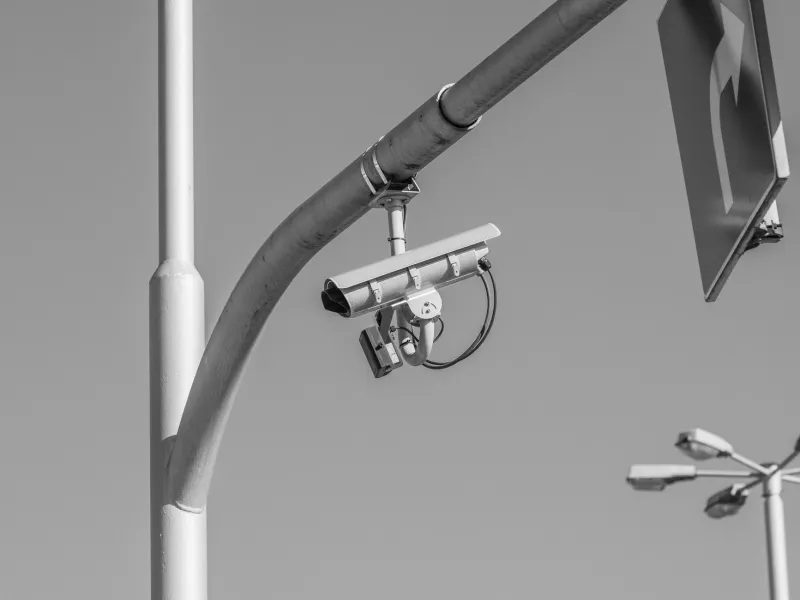
Photo: SalariéVerisure, CC BY-SA 4.0, via Wikimedia Commons
Few pieces of consumer technology have travelled from gadget to grievance as quickly as the video doorbell. A device bought to deter parcel thieves has, within a few years, become a recurring exhibit in neighbour disputes, and the question that lands with us most often is disarmingly simple: can the man over the road compel me to hand over my recordings?
The honest answer is that he can ask, and in certain circumstances he can require. Where the line falls depends on where your camera points, what you subsequently do with the footage, and how well you can evidence the decisions you took. What follows is the position across the UK as it stands in 2026, together with the practical measures that keep a household on the right side of the Information Commissioner's Office (ICO).
The household exemption is narrower than most people assume
Much of the reassurance circulating on forums rests on the so-called domestic purposes exemption. Article 2(2)(c) of the UK GDPR disapplies the regulation where an individual processes personal data in the course of a purely personal or household activity, with no connection to a professional or commercial activity. On its face, that sounds like a blanket licence for a doorbell.
It is not. The European Court of Justice held in Ryneš (C-212/13) that a camera covering a public footpath and the approach to a neighbouring property fell outside the exemption, because the processing extended beyond the household's private sphere. The ICO has taken a consistent line since: where a domestic system captures images beyond your boundary — the pavement, a shared driveway, a communal close, a neighbour's garden — you are likely to be a data controller in respect of that footage.
That status brings obligations. Processing must be fair and lawful, limited to what is necessary, kept no longer than required, secured appropriately, and transparent to the people whose images you hold. It also brings the right of access, which is where most disputes begin.
Scenario one: the missing parcel
The most common request is also the least contentious. A courier leaves a parcel on a doorstep; the parcel vanishes; the neighbour asks whether your camera caught anything. There is no prohibition on assisting. Hand over a short clip of the relevant window rather than an unedited memory card, mask or omit footage of other identifiable people where the theft is the only matter of interest, and make a note of what you supplied, to whom, and when. A one-page disclosure log is unglamorous and disproportionately useful later.
Refusing is also lawful. Nothing compels informal cooperation. But a refusal in these circumstances often converts a conversation into correspondence.
Scenario two: the request that arrives as a letter
If the neighbour invokes their right of access, you are dealing with a subject access request. The statutory clock is one month from receipt, extendable by a further two months where the request is genuinely complex — a single camera over a three-week window rarely qualifies. You may ask for reasonable identification, and you may charge a fee only where the request is manifestly unfounded or excessive.
There are exemptions, but they are narrower than people hope. The crime and taxation exemption in Schedule 2, Part 1 of the Data Protection Act 2018 can justify withholding material where disclosure would prejudice the prevention or detection of crime — for example, where a police investigation is live and disclosure of a clip would tip off a suspect. It is not a general shield against an awkward neighbour. Each request needs to be assessed on its own facts, and a blanket refusal citing 'crime' when no investigation exists is exactly the sort of response that attracts a complaint.
Note too that the requester is entitled to a copy of their own personal data, not a copy of everything your system recorded. Where other people appear, redaction is normal and expected.
Scenario three: the footage published in the village Facebook group
The riskiest behaviour we see is not the camera itself but the decision to post a clip publicly. Publication of identifiable footage is a separate processing operation with its own lawfulness problem, and it can expose the householder to claims beyond data protection: defamation if a caption asserts guilt, harassment under the Protection from Harassment Act 1997 if it forms part of a course of conduct, and potential contempt where proceedings are live. Compensation claims under section 168 of the Data Protection Act 2018 are rare but not unheard of, and they have a way of costing more than the camera did.
A rough rule: share with the police, with insurers, or with the individual concerned. Do not publish to a public audience.
What the ICO expects of a householder
The regulator's domestic CCTV guidance is deliberately pragmatic. It does not demand a compliance department. It does expect proportionality: cameras angled to minimise incidental capture of other people's property, privacy masking where a device allows it, clear signage, short retention, sensible security, and a documented rationale for the set-up. Where a complaint is made, the ICO will typically ask what the householder did to limit intrusion and how they responded to the individual's request. A written answer given in good time carries considerable weight.
The defence checklist
- Angle before hardware. Adjust the field of view and enable privacy zones so that neighbouring windows, gardens and shared paths fall outside the frame or are masked. A photograph of the angle, dated, is worth keeping.
- Signage. A small notice at the door or gate stating that recording is in operation, who operates it and how to make contact satisfies the transparency principle without turning the porch into a warning zone.
- Retention. Thirty days is a common and defensible default for domestic systems; many devices will auto-delete. Indefinite storage of everything is difficult to justify.
- Security. Change default passwords, enable two-factor authentication, keep firmware current, and check who else has app access. A hacked doorbell is a personal data breach.
- A one-page policy. Purpose, retention period, who can view, how requests are handled. It takes twenty minutes to write and answers most complaints before they escalate.
- A disclosure log. Date, recipient, content supplied, legal basis.
- A response plan. Acknowledge requests in writing, confirm identity, and reply within a month even if the answer is a considered refusal.
When to instruct a solicitor
Most disputes are resolved by a polite letter and a redacted clip. Professional advice becomes sensible when a letter before action arrives, when a claim for compensation is threatened, when the ICO makes contact formally, or when the relationship has deteriorated into allegations of harassment on either side. Boundary and nuisance disputes that begin with a camera rarely stay about the camera, and an early, proportionate legal letter on your own behalf is often cheaper than six months of escalation.
The doorbell is not the problem. The problem is drift — a camera nudged upward, footage kept for years, a clip shared too widely. Householders who can show that they thought about necessity before installing, and behaved reasonably afterwards, have very little to fear from either a neighbour or a regulator.