The High Street’s Hidden Lens: Recognising and Resisting Live Facial Recognition in 2026

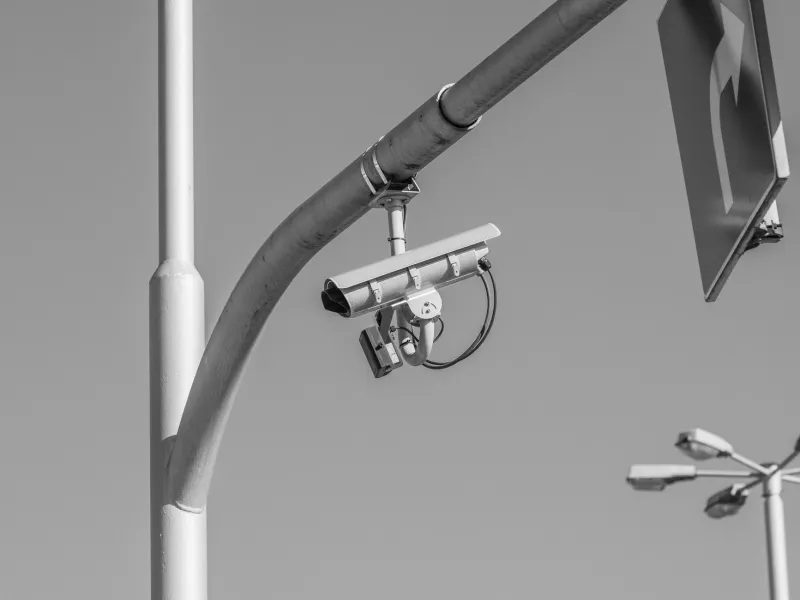
Photo: Frombowen, CC BY-SA 4.0, via Wikimedia Commons
Live facial recognition has become one of the most visible — and least understood — surveillance technologies on the UK high street. As of November 2026, shoppers may encounter it at retail entrances, in shopping centres, at transport hubs and in venues working with police-linked schemes. The technology is not the same as ordinary CCTV, and the legal questions it raises are more demanding. Yet the difference is often invisible unless you know what to look for.
What live facial recognition actually does
A conventional CCTV camera records images for later review. A live facial recognition system goes further. It detects faces in a video stream, converts each face into a biometric template, and compares that template with a watchlist in near real time. If the system produces a match, an alert is generated for an operator to assess. Depending on the deployment, the watchlist may contain people wanted for serious offences, people barred from a venue, or — in poorly governed schemes — a much broader group.
The key legal point is that facial recognition creates biometric data. Under the UK GDPR, biometric data used to identify a person is special category data, which attracts additional safeguards under Article 9 and the Data Protection Act 2018. A retailer cannot simply treat live facial recognition as another form of security camera. It needs a lawful basis, a specific condition for processing special category data, a data protection impact assessment, and a transparency notice that real people can understand.
Reading the signs
Clear notice is the first test. A legitimate operator should tell you, at or before the point of capture, that live facial recognition is in operation. The notice should identify the controller — the organisation responsible — and explain the purpose, the watchlist category, the retention period and how to exercise your rights. A QR code linking to a full privacy notice is acceptable in principle, but it should not be the only visible information. If the entrance carries a generic CCTV sign and nothing else, that is a warning sign rather than reassurance.
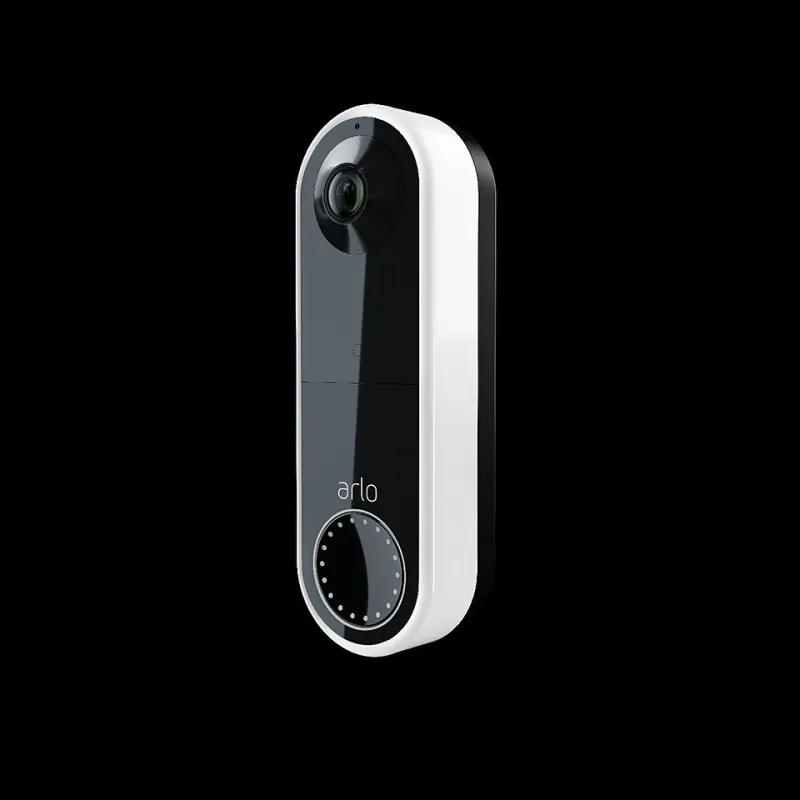
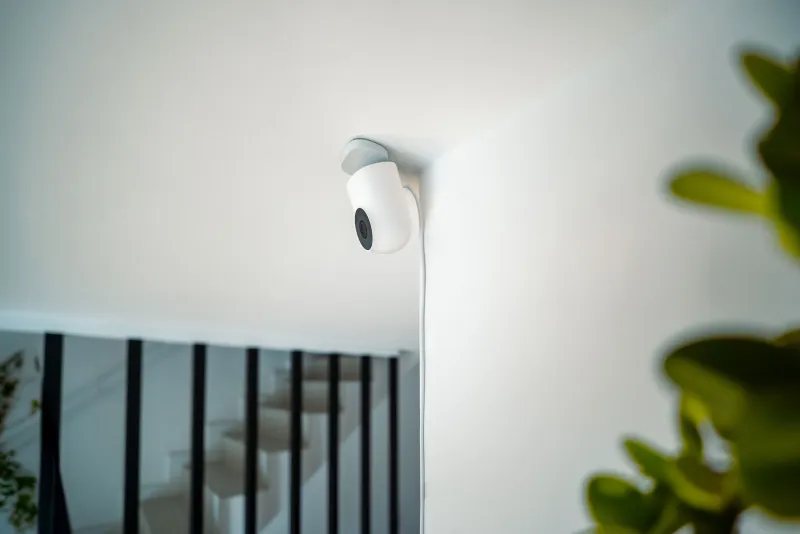
Physical clues can help, but they are not decisive. Dedicated facial recognition cameras are sometimes mounted at head height near entrances, often in pairs or with visible illumination. Staff may carry tablets or stand near a screen that displays alerts. None of this proves that live facial recognition is running, and its absence does not prove that it is not. The decisive evidence is the operator’s notice and privacy documentation.
What the law expects
UK data protection law does not ban live facial recognition outright, but it sets a high bar. The controller must be able to show that the processing is necessary and proportionate for a specified purpose, such as preventing serious crime or protecting public safety. Crime prevention can be a legitimate aim, but it does not automatically justify biometric processing. The controller should have considered less intrusive alternatives, such as ordinary CCTV, staff presence or targeted banning orders, and documented why they are insufficient.
Consent is rarely a realistic basis in a busy retail environment. Shoppers cannot meaningfully consent to a system that scans everyone who walks through a door, and conditioned entry is not free consent. Many deployments rely instead on legitimate interests or a substantial public interest condition, but those routes require careful assessment and cannot be used as a blanket justification. The Information Commissioner’s Office has repeatedly emphasised that biometric surveillance requires demonstrable necessity, strict retention limits and effective governance.
Challenging a deployment in practice
If you believe you have been scanned, start with the controller. Ask for the privacy notice and the name of the organisation operating the system. If staff cannot answer, ask for the data protection officer’s contact details. Keep a record of the date, time, location and what you observed. Photographs of signage are useful, but do not obstruct staff or other shoppers.
You can make a subject access request under Article 15 of the UK GDPR. Ask specifically whether your biometric data was processed, whether a template was created, whether it was compared with a watchlist, whether any match was reviewed by a human, who received the data and how long it is retained. A controller may refuse or restrict some information where a crime-prevention exemption applies, but it must still consider the request and explain its position.
You can also object to processing under Article 21 and, where processing is unlawful, ask for erasure. If the deployment is run by or for a police force, complain first to the force’s data protection officer and then to the ICO. For retail or venue schemes, complain to the organisation’s data protection officer and to the ICO. The ICO is unlikely to investigate every individual complaint, but patterns of complaints can prompt regulatory attention.
A before-you-enter checklist
- Look for a specific live facial recognition notice, not just a generic CCTV sign.
- Check whether the notice names the controller, the purpose, the watchlist and the retention period.
- Ask staff whether the system is active and how to object or make a data request.
- Consider whether an alternative entrance exists; if not, note that entry may be conditional.
- Avoid arguing with front-line staff, who may not control the system.
- Keep evidence of signage and dates if you intend to complain.
- Use a subject access request if you want to know whether your biometric data was processed.
A realistic view
Live facial recognition can help detect wanted individuals and protect crowded places, but it can also normalise biometric scanning in ordinary commercial life. The difference between legitimate security and unnecessary surveillance lies in transparency, necessity, retention and independent oversight. Shoppers cannot opt out of every camera on the high street, but they can demand clear answers, use their data rights and report deployments that treat the law as an afterthought.