Dignity, Duty and the Doorbell: Auditing Cameras in UK Care Homes in 2026

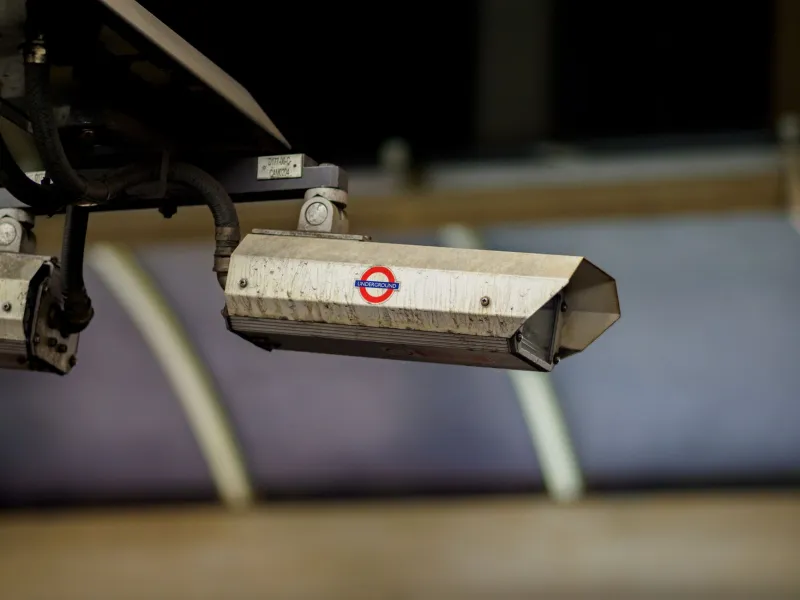
Photo: Gerald England , CC BY-SA 2.0, via Wikimedia Commons
Care homes occupy an unusual position in UK surveillance. They are workplaces, regulated care settings and, for many residents, the closest thing to a permanent home. A camera in a corridor, a lounge or a bedroom therefore does more than record activity. It changes the character of the space and the relationships within it. In 2026, as fixed CCTV becomes more common and families increasingly turn to app-connected cameras and doorbell-style devices, the sector needs a calmer, more structured conversation about when watching is proportionate and when it is not.
Why care settings are different
A care home is not a public street and it is not an ordinary private house. Residents may be frail, may live with dementia or may lack the mental capacity to make decisions about being filmed. Staff have their own rights to privacy at work. Other residents, visitors and contractors may be captured without ever entering the frame deliberately. Footage can reveal health information, mobility problems, continence care, medication routines and family visits. That makes it sensitive personal data, not neutral security footage.
The safeguarding case for cameras is real. Footage can help investigate allegations of neglect or abuse, support a complaint and deter poor practice. But a camera cannot provide care, and a home that feels watched from every angle may discourage residents from moving freely, receiving personal care or spending time with relatives. Dignity is not an optional extra in care; it is part of the service.
The provider's baseline
For care home operators, camera use should begin with a documented purpose. Is the system for perimeter security, communal-area safety, medication-room oversight or something else? Each purpose needs a lawful basis under the UK GDPR and the Data Protection Act 2018, a data protection impact assessment where appropriate, and a retention period that reflects genuine need rather than indefinite storage. Signage should be clear but not alarming. Policies should explain who can view footage, how access is logged and how subject access requests are handled.
Consent is often a weak foundation in a care setting. Residents may feel unable to refuse, and those lacking capacity cannot give valid consent. Providers should not assume that a signed form settles the matter. They should consider whether the processing is necessary and proportionate, whether less intrusive alternatives exist, and whether residents and families have been told what is happening in accessible language. Audio capture deserves particular caution: it can pick up private conversations, care discussions and visitors' remarks, and it is rarely necessary for general security.
The Care Quality Commission may ask how surveillance supports safe, effective and compassionate care. Good providers will be able to show a policy, a DPIA, staff training and a clear incident-response route. A camera system that nobody reviews is not a safeguard; it is an unmanaged data store.
When families want to watch
Relatives often ask about cameras after a worrying incident, a change in behaviour or a complaint they feel has not been resolved. The impulse is understandable. The legal and ethical position is less simple. A camera placed in a resident's bedroom may record staff undertaking intimate care, other residents being assisted, and conversations that have nothing to do with the family's concern. If the resident has capacity, their wishes should be central. If they do not, the Mental Capacity Act 2005 requires a best-interests decision that weighs privacy, safety, dignity and the least restrictive option.
Covert cameras are not automatically unlawful, but they are high-risk. The domestic purposes exemption is narrow and may not cover monitoring care staff in a regulated setting. Families can become data controllers with duties around fairness, security and retention. Before installing anything secretly, relatives should seek legal advice and consider whether a safeguarding referral, an independent advocate or a formal complaint would address the concern with less intrusion. In most cases, an open conversation with the registered manager is the better first step.
Doorbell cameras, audio and shared space
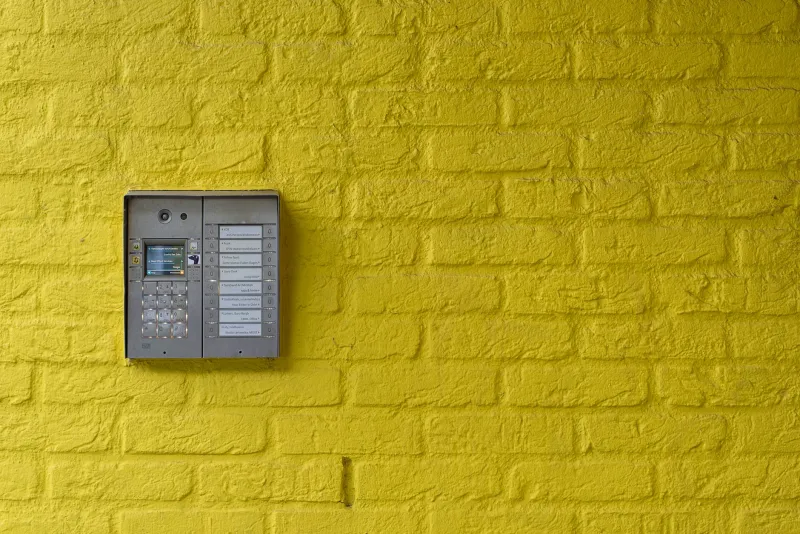
Doorbell-style devices marketed for home security are increasingly used in individual rooms. They can offer a wide view, two-way audio, motion alerts and cloud storage. That combination is powerful and intrusive. A device angled at a bedroom door may capture staff arriving for a shift, other residents passing in the corridor and visitors who have not agreed to be recorded. Audio should usually be disabled. Cloud accounts should use strong passwords and two-factor authentication, and clips should be kept only as long as necessary.
Providers should also think about their own devices. A camera in a communal lounge may be acceptable if residents and visitors know about it and the purpose is clear. A camera in a bathroom, changing area or staff rest room is far harder to justify. The test is not whether a camera is visible, but whether the loss of privacy is proportionate to the risk being addressed.
A practical family checklist
- Start with the care plan and a conversation with the registered manager. Ask what monitoring already exists and why.
- Confirm the resident's wishes where they have capacity. If capacity is in doubt, seek a best-interests decision rather than assuming.
- Choose the least intrusive device and position. Avoid shared areas, other residents' doors and any view into private spaces.
- Disable audio unless there is a specific, documented and lawful reason to keep it.
- Secure the account, use two-factor authentication and set a short retention period.
- Tell the provider if the device is installed openly, and record the purpose and review date.
- Do not share footage widely. Use it through proper safeguarding, complaint or legal channels.
- Review the arrangement after a set period. Remove the camera when the concern has been resolved.
The wider point
Surveillance in care should be a last resort with a clear purpose, not a default response to anxiety. Providers need governance, transparency and staff support. Families need honest information and realistic alternatives. Residents need the same thing in a care home that they would want in their own front room: to be safe, certainly, but also to be treated as people rather than subjects of a feed. A camera can witness care. It cannot replace the duty to provide it well.