After the Last Bell: A 2026 Night-Out Data Audit for UK Venues and Customers
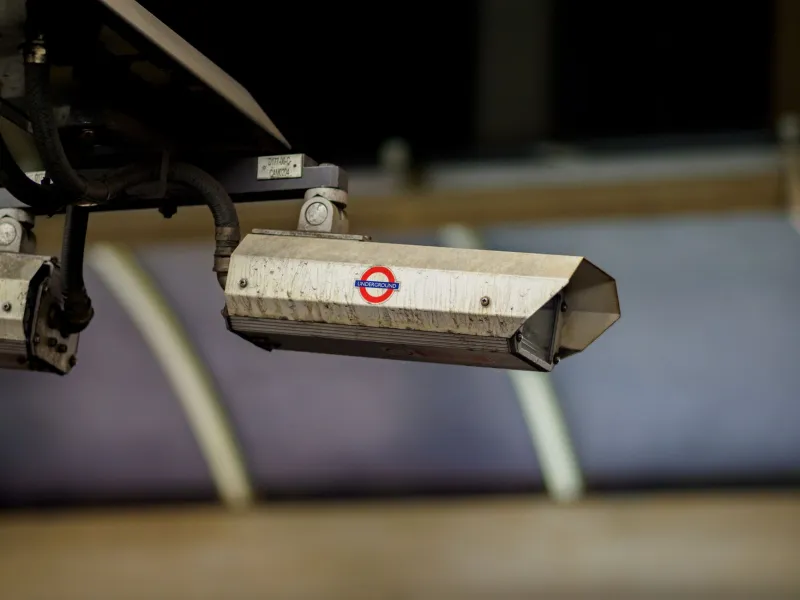
The UK night-time economy runs on layers of observation. A door supervisor checks a driving licence under Challenge 25; a ceiling camera records the queue; an ID scanner logs a document number; and a local Pubwatch scheme may circulate a banned list to member venues. Each layer has a different purpose, a different legal basis and a different retention period. Treating them as one undifferentiated system is where privacy problems begin.
Routine door security is not the same as automated profiling
A visual age check and a recorded CCTV feed are familiar, largely manual forms of security. They may still engage data protection law, but they do not usually amount to automated profiling. An ID scanner that reads a passport or driving licence, stores the image and checks the holder against a database is a more substantial processing operation. So is any system that creates a risk score, matches a face against a watchlist or automatically flags a customer for refusal.
The distinction matters because the obligations scale with the risk. A venue using CCTV for safety and crime prevention should have a lawful basis, normally legitimate interests, a clear retention period and signage that tells people what is happening. A venue using automated facial recognition or algorithmic risk scoring at the door is engaged in a higher-risk activity. It should be able to explain why less intrusive measures are insufficient, how accuracy is tested, what human review exists and whether the processing produces legal or similarly significant effects.
What venues should disclose
UK data protection law expects organisations to be transparent. In practice, a pub or club should provide a privacy notice that identifies the controller, explains the purposes of CCTV and ID scanning, sets out the lawful basis, specifies retention periods and lists the main recipients. If data is shared with a Pubwatch scheme, a security company or a group head office, that should be disclosed. So should the existence of subject access rights and the route for raising a complaint.
Signage at the door is not enough on its own. A short notice can point customers to a fuller privacy notice, but it should be visible before people queue, hand over ID or enter the premises. For ID scanners, the notice should say what is captured, whether the document image is retained, whether any biometric template is created and how long the record is kept. Vague wording such as 'security purposes' does not tell a customer whether their passport has been copied into a database.
Venues that share banned-list data through a Pubwatch scheme should have a documented basis for that sharing. Local schemes vary, but the core questions are consistent: who is the controller, what is the lawful basis, what is the retention period, who can see the list, how are entries corrected and what appeal route exists? A data protection impact assessment is not automatically mandatory for every scheme, but it is a sensible tool where systematic monitoring or large-scale sharing is involved.
Pubwatch, banned lists and the appeal route
A Pubwatch ban is not a legal penalty imposed by a court. It is a private scheme decision with data protection consequences. The fact that a name appears on a banned list is personal data. If the list is shared across venues, the person concerned should be able to find out, within the limits of the law, what information is held, why it is held and who has received it.
Venues and schemes should distinguish between a local refusal on the night and a longer-term ban recorded on a shared list. The first may be an operational decision; the second should have a review process. A fair scheme will tell the person how to appeal, who considers the appeal and what evidence is used. It should also correct inaccurate entries. A ban based on mistaken identity or an incident that did not involve the person is a data accuracy problem as well as a customer-service problem.
ID scanners and the morning-after question
ID scanners are often justified as a way to prevent underage sales, detect fraudulent documents and protect staff. Those are legitimate aims. The privacy question is whether the method is proportionate and whether the data is kept for longer than necessary. A venue should be able to say whether it stores only a pass or fail result, a full document image, a name and date of birth, or a biometric template. It should also say whether data is held locally or by a third-party provider, and whether it is used for marketing or analytics.
Customers can ask these questions directly. A written request to the venue's data protection contact is preferable to a conversation at the door. If the venue cannot answer, a subject access request can be made under the UK GDPR. In most cases the response should arrive within one month, although complex requests may take longer. The request should ask for the personal data held, the purposes of processing, the recipients, the retention period and the source of the data. Venues may need to verify identity, but they should not demand more information than is necessary.
Facial recognition at the door is a higher-risk step
Live facial recognition and automated watchlist matching are not routine door-security tools. They involve biometric data and can produce significant consequences for the individual. A venue considering such a system should be able to demonstrate a lawful basis, a clear necessity and proportionality assessment, safeguards against false matches, human review before refusal and a retention policy for any templates. Customers should be told that the system is in use before they reach the point of scanning. Covert or poorly signposted facial recognition is difficult to justify in a licensed premises context.
A customer's audit in five steps
First, note what is visible before entry: cameras, scanner terminals, signage and any mention of Pubwatch. Second, ask the venue in writing what data is collected at the door and how long it is kept. Third, if you need the detail, submit a subject access request to the venue and, where relevant, to the Pubwatch scheme. Fourth, if you are banned, ask for the scheme's review or appeal process and request correction of inaccurate data. Fifth, if you believe the processing is unlawful or the response is inadequate, complain to the Information Commissioner's Office and, where licensing conditions are engaged, consider raising the matter with the local licensing authority.
A venue's own checklist
Venues should maintain an inventory of door cameras, ID scanners, Pubwatch links and any analytics tools. They should document retention periods, access controls and sharing agreements. Staff should know how to handle a subject access request and how to explain the difference between a visual check and an automated scan. Signage should be clear before capture, not buried inside the premises. Pubwatch schemes should publish an appeal route and review entries regularly. None of this prevents a venue from protecting staff and customers; it makes the protection accountable.
The morning after
The night-time economy needs security, but security should not become a shadow data economy. The practical test is simple: can a venue explain what it collects, why it collects it, who sees it and when it is deleted? Can a customer find out what is held and challenge it? In 2026, those are not abstract questions. They are part of the ordinary relationship between a venue and the public it serves.