The Alley Watchers: Auditing Council Fly-Tipping Surveillance in 2026

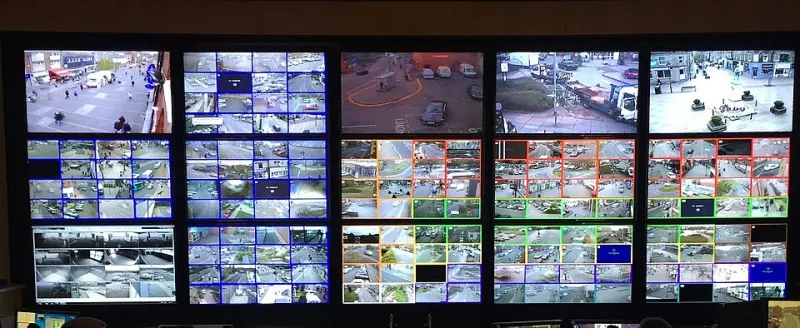
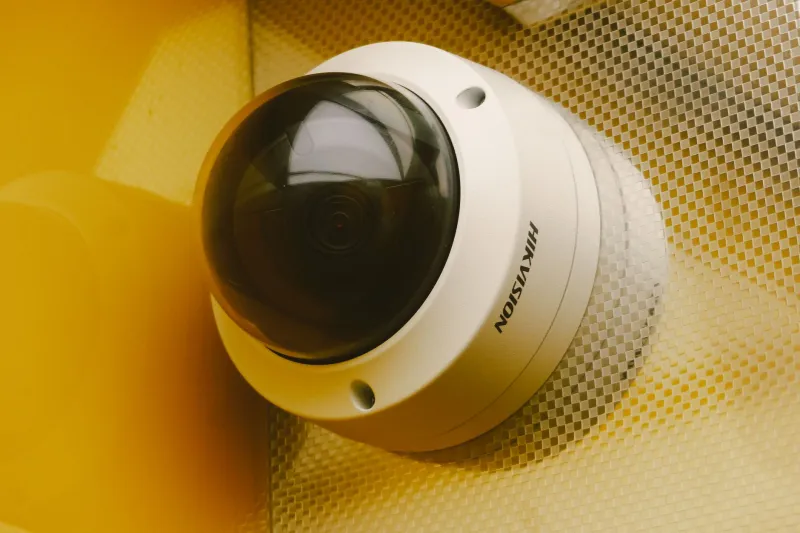
Fly-tipping is expensive, visible and politically charged. In 2026, councils across the UK are under pressure to respond to dumped mattresses, builder’s waste and household rubbish left beside communal bins. Cameras have become one of the default tools in that response. Some are overt, fixed to lamp posts and accompanied by signs. Others are mobile, concealed or mounted on bins themselves. For residents, the result can be a familiar but unsettling sight: a small lens watching an alley, a bin store or a residential block, with little obvious explanation of who is watching, why, and for how long.
Why councils are watching waste
Local authorities have long had powers to investigate fly-tipping and littering under the Environmental Protection Act 1990 and related legislation. Evidence-gathering can support fixed penalty notices, prosecution and, in some cases, waste carrier checks. Cameras are attractive because they can operate continuously, capture vehicle registration marks and provide a timestamped record that may be difficult to dispute.
The surveillance is not necessarily covert. Many councils use overt cameras and publicise them as deterrents. Others use hidden or temporary devices where visible equipment would be moved, damaged or avoided. The distinction matters legally and ethically. An overt camera in a public alley is one thing; a concealed device angled towards a residential bin store is another. The latter requires a clearer justification, tighter controls and a credible answer to the question: why is this necessary, and why is it proportionate?
What the lens can capture
A fly-tipping camera is rarely limited to the fly-tip itself. Depending on its position, it may record faces, vehicle number plates, property boundaries, windows, gardens, communal doorways and the movements of people who have nothing to do with waste offences. A bin-mounted device may capture the hands and clothing of anyone using the bin, along with the backgrounds of nearby homes.
Most systems record video and metadata such as time, date and camera location. Audio is less common and should not be assumed; where audio is enabled, the privacy implications increase sharply because conversations can be captured incidentally. Residents should also consider retention. A council’s policy may specify a short retention period—often measured in days or weeks—but footage linked to an investigation may be kept longer. The key question is whether the policy is published, applied consistently and reviewed.
The legal frame: GDPR, RIPA and the Surveillance Camera Code
Local authority cameras are generally covered by the UK GDPR and the Data Protection Act 2018. The council is likely to be the data controller. That brings familiar obligations: a lawful basis, transparency, data minimisation, storage limitation and a data protection impact assessment for high-risk processing. A camera scheme of this kind should have a documented DPIA, a retention schedule and arrangements for access, security and subject access requests.
In England and Wales, local authorities must also have regard to the Surveillance Camera Code of Practice issued under the Protection of Freedoms Act 2012. The code emphasises proportionality, transparency and regular review. Covert surveillance may engage Part 2 of the Regulation of Investigatory Powers Act 2000, commonly known as RIPA. Where a council authorises directed surveillance, it must be necessary and proportionate for a relevant purpose, properly authorised and subject to oversight by the Investigatory Powers Commissioner’s Office. Covert cameras in residential areas warrant particular scrutiny because the intrusion can extend beyond the waste offence itself.
This is not to say that fly-tipping cameras are unlawful by default. Many schemes are lawful and well run. The point is that the legal basis should be identifiable, the policy should be public where possible, and the surveillance should be time-limited and targeted rather than permanent and vague.
Signage, secrecy and the public interest
Transparency is not an optional extra. Where overt cameras are used, signage and a privacy notice should explain the purpose and provide contact details. Covert deployment is an exception, not a routine convenience. Residents can reasonably ask why a hidden camera is needed, what alternatives were considered and who signed off the authorisation.
Freedom of Information requests can be useful for policies, DPIA summaries, retention schedules and aggregated information about camera deployments. Security and law enforcement exemptions may apply to some details, but that does not justify blanket secrecy. Councils should be able to explain the scheme without disclosing information that would genuinely undermine it.
A resident’s audit checklist
- Record what you see. Note the location, mounting method, direction, whether the camera is signposted, and whether it appears to capture homes, gardens or communal areas. Photograph the scene from public areas if it is safe and lawful to do so.
- Ask the council for the policy. Request the CCTV or surveillance policy, the privacy notice, the retention period and the DPIA summary for the scheme. Ask who has access to footage and how access is logged.
- Ask about covert authorisations. If the camera is hidden, ask whether it operates under RIPA authorisation and which council officer approved it. You may not receive operational detail, but you can ask for the process and oversight arrangements.
- Use your data rights. If you believe you have been captured, you can make a subject access request. Keep the request specific and allow the statutory response period.
- Raise concerns locally. Contact the council’s data protection officer, your ward councillor or the relevant scrutiny committee. If the response is inadequate, the Information Commissioner’s Office can consider complaints about data protection compliance.
- Do not interfere with the equipment. Tampering with or removing a council camera may be a criminal offence and will not resolve the underlying privacy question.
What good looks like
A well-designed fly-tipping camera scheme should be targeted at specific problem locations, time-limited, signposted where possible, supported by a DPIA and governed by a published retention policy. It should capture no more than necessary, restrict access to authorised staff, log that access and review the scheme periodically. Residents should be able to find out who is responsible and how to complain without navigating a maze of council departments.
Councils are entitled to investigate waste crime. Residents are equally entitled to ask whether the alley watcher is proportionate, transparent and temporary. In 2026, the practical test is simple: if a council cannot explain the purpose, the legal basis and the retention period of a fly-tipping camera, it has more auditing to do.