The Quiet Registry: Auditing Police Camera Sharing Schemes in 2026

Photo by Photo by Pixel Shot on Unsplash on Unsplash
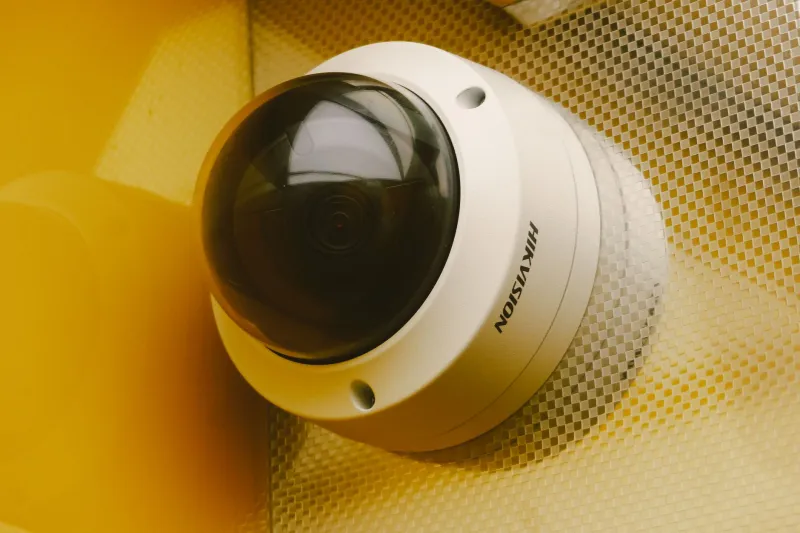
A leaflet through the door, a note on the local policing team's website, or a sign-up page shared by a Neighbourhood Watch coordinator: police camera registration schemes have become a familiar part of UK neighbourhood policing. The pitch is simple. Register your doorbell, CCTV system or ANPR camera, and officers investigating a nearby incident will know where to turn. For forces, it is a way to map private cameras without building a costly public network. For residents and business owners, it can feel like a low-effort contribution to local safety. But a register is still a list, and lists have terms. At All-Seeing Eye, we audit surveillance arrangements through the lens of practical control: what is collected, who can see it, and how it can be withdrawn. This article applies that test to police camera sharing schemes in 2026.
What a police camera registry is — and is not
Most UK police camera registration schemes are voluntary directories, not live surveillance feeds. When you register, you are usually telling a force that a camera exists at a location, what type it is, and how to contact you. You are not normally giving officers a username and password to your system, and you are not normally granting remote access. The distinction matters. A registry is a discovery tool: it helps investigators identify potential footage quickly. It is not the same as a direct data-sharing agreement, and it is not a warrant.
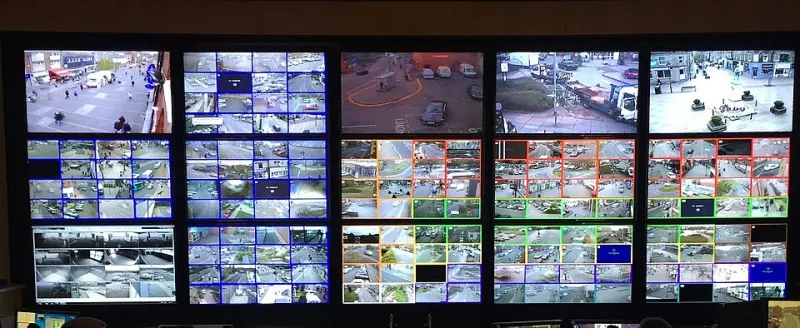
Some schemes are run through local force websites or online portals. Others are administered by Neighbourhood Watch groups or business crime partnerships. A few forces ask specifically about ANPR cameras, which capture number plates and can reveal travel patterns rather than just a single street scene. The practical effect is similar: your camera becomes known to a policing body, and your contact details become part of a searchable or consultable list.
The information you may be asked to provide
Registration forms vary, but common fields include your name, address, phone number and email address, the camera's location, the type of device, whether it records audio, the area it covers, and how long footage is retained. Some ask whether you can export clips and whether you are willing to be contacted out of hours. Others ask for a map pin or a description of the camera's field of view.
From a data protection perspective, the principle of minimisation should apply. A force does not need your date of birth to know that a doorbell points at the pavement. It may not need your mobile number if an email address is sufficient. If a form asks for more than is necessary to identify the camera and contact you, it is reasonable to ask why. For businesses, the register may also touch on systems that are already subject to a data protection impact assessment and a retention schedule. For householders, the picture is more nuanced: domestic CCTV that covers only your own property is generally outside UK GDPR, but cameras that capture public spaces or neighbours' property can bring data protection obligations into play. Registration does not create those obligations, but it can make them more visible.
What officers can request without a warrant
A registration scheme does not give police a general power to demand footage. In the usual case, an officer will contact you because an incident has been reported near your camera and ask whether you are willing to review or share relevant footage. You can say yes, no, or ask for more information. A voluntary request is just that: voluntary. If you decline, the force may look elsewhere or may consider other lawful routes.
Those other routes matter, but they should not be conflated with registration. In England and Wales, police have powers to seize evidence in certain circumstances, and they can apply for warrants or production orders where the legal tests are met. A registration scheme does not lower those thresholds. It simply makes it easier for officers to know whom to ask. The same broad principle applies across the UK, although the precise legal framework differs in Scotland and Northern Ireland. The practical point for a camera owner is to separate the knock on the door from the legal authority behind it. A polite request to review footage is not the same as a power to enter your premises and take your recorder.
Retention, renewal and removal
How long a registration lasts is one of the least consistent parts of the picture. Some schemes require annual renewal. Others remain in place until you ask to be removed. Some may be reviewed when a force changes systems or reorganises its local policing teams. If the register is not regularly cleaned, it can become a stale map of cameras that no longer exist, contact details that no longer work, and householders who have forgotten they ever signed up.
Before registering, ask how updates and removals are handled. If you move house, replace a camera, or stop using a doorbell, can you correct the record easily? Is there a self-service portal, or must you email a generic address? What happens to your details if the scheme is transferred to a new IT system or merged with another force's arrangements? These are not hypothetical concerns. A register is personal data, and the force should be able to explain its retention period, its privacy notice and your rights to access, correct or erase your information where applicable.
Questions to ask before you register
A registration scheme can be a useful community tool, but it should survive scrutiny. Before adding your camera to a police-accessible list, consider putting the following questions to the force or scheme operator:
- Who can see the register, and is it shared with any other agency or partner?
- Is the register searchable by location, or does an officer have to make a specific request?
- What information is mandatory, and can I provide less?
- How long will my details be kept if I never renew or withdraw?
- Can I withdraw online, and how quickly is the record removed?
- Will officers contact me directly, or will the request come through a portal?
- What is the legal basis for holding my details, and where is the privacy notice?
- If I decline a request for footage, will that affect my registration?
- Are audio-enabled cameras treated differently from video-only devices?
- For businesses, will the force accept existing retention and access policies rather than asking for new ones?
A measured approach
Registration is not a neutrality test. It changes the visibility of your camera to the state, even if it does not change the camera's technical capabilities. That may be a reasonable trade for a shop on a high street with a persistent shoplifting problem, or for a householder who wants to help after a spate of vehicle thefts. It may be less attractive if the scheme's terms are vague, the withdrawal process is cumbersome, or the register is used for purposes beyond local investigation.
The practical defence is the same one we recommend for any surveillance arrangement: keep a record. Note what you registered, when, what you were told about retention and sharing, and how to withdraw. Review it annually. If a force cannot answer basic questions about who sees the list and how long it lasts, that is useful information in itself. A camera registry can be a quiet form of neighbourhood cooperation. It should not be a quiet form of data collection.